
Best Paint for High Traffic Areas: Which Products, Sheens, and Formulations Handle the Most Wear Without Showing It
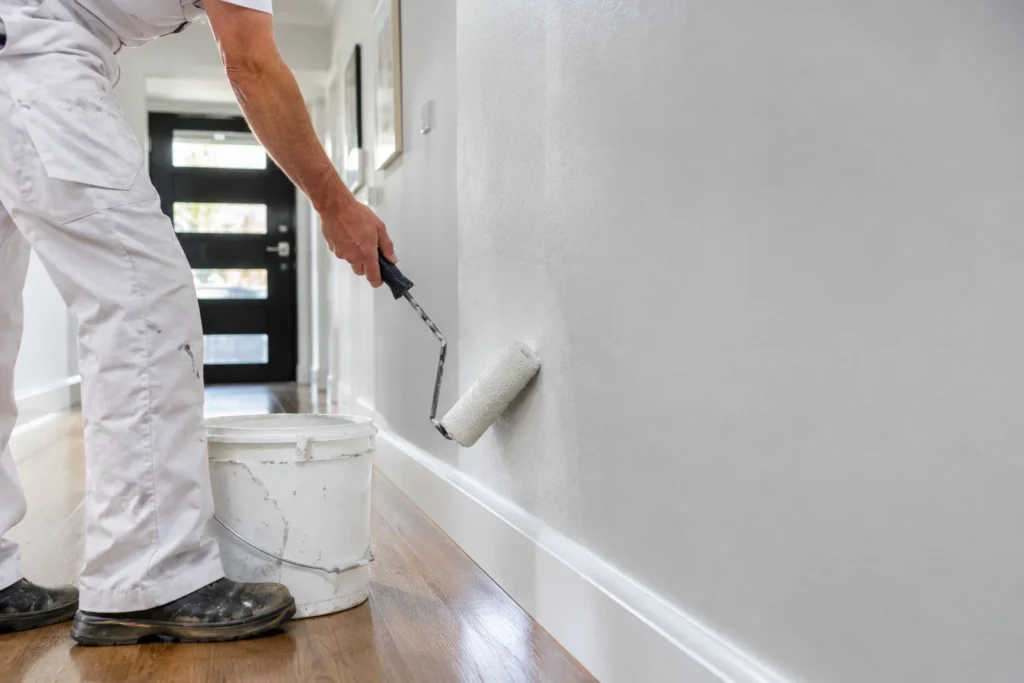
The best paint for high traffic areas is not the same paint you would use on a ceiling or a spare bedroom. Hallways, entries, staircases, children’s rooms, kitchens, and commercial corridors take more contact, more scuffing, more bumping, and more cleaning than any other surface in the building. The paint on these walls needs to withstand all of it without marking, scuffing through, or deteriorating every time you wipe it down.
Painting Over Gloss Paint: How to Make New Paint Stick
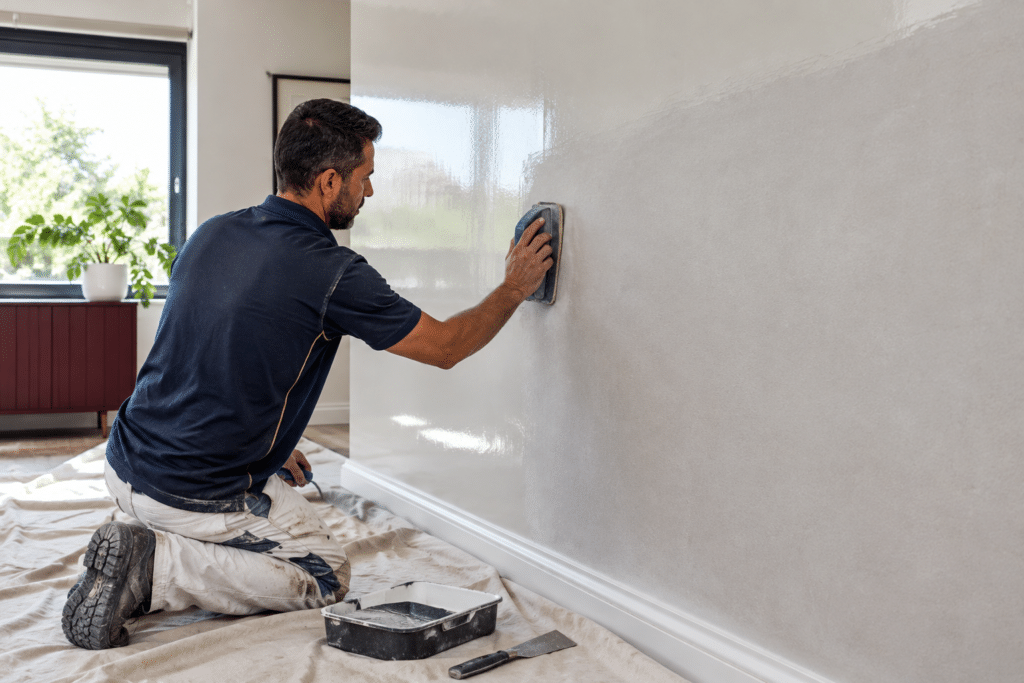
Mould on walls should never be painted over without proper treatment. The mould needs to be killed, the affected surface cleaned and dried, and the underlying moisture problem addressed before any new paint is applied. Proper preparation also includes sanding where required, using a mould resistant primer, and finishing with an anti mould topcoat. This process helps prevent mould stains from returning through fresh paint and gives the new coating a cleaner, longer lasting finish.
How Many Coats of Paint Does a Wall Need? When Two Is Standard, When One Is Enough, and When You Need Three
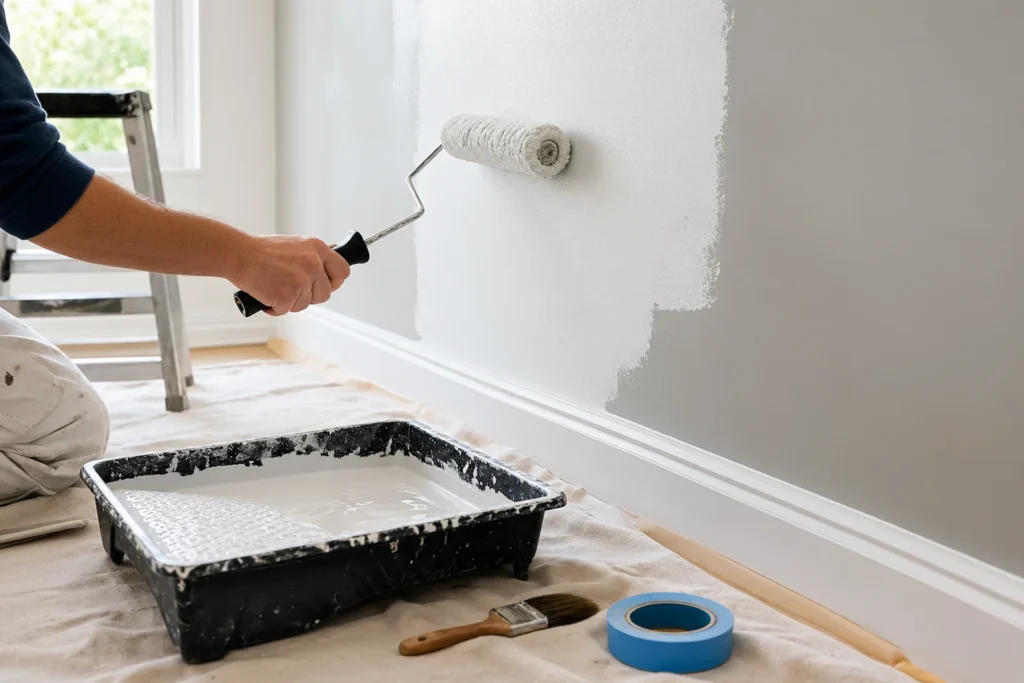
Mould on walls should never be painted over without proper treatment. The mould needs to be killed, the affected surface cleaned and dried, and the underlying moisture problem addressed before any new paint is applied. Proper preparation also includes sanding where required, using a mould resistant primer, and finishing with an anti mould topcoat. This process helps prevent mould stains from returning through fresh paint and gives the new coating a cleaner, longer lasting finish.
Brush Paint vs Spray Paint: Which Painting Method Is Right for Your Property?
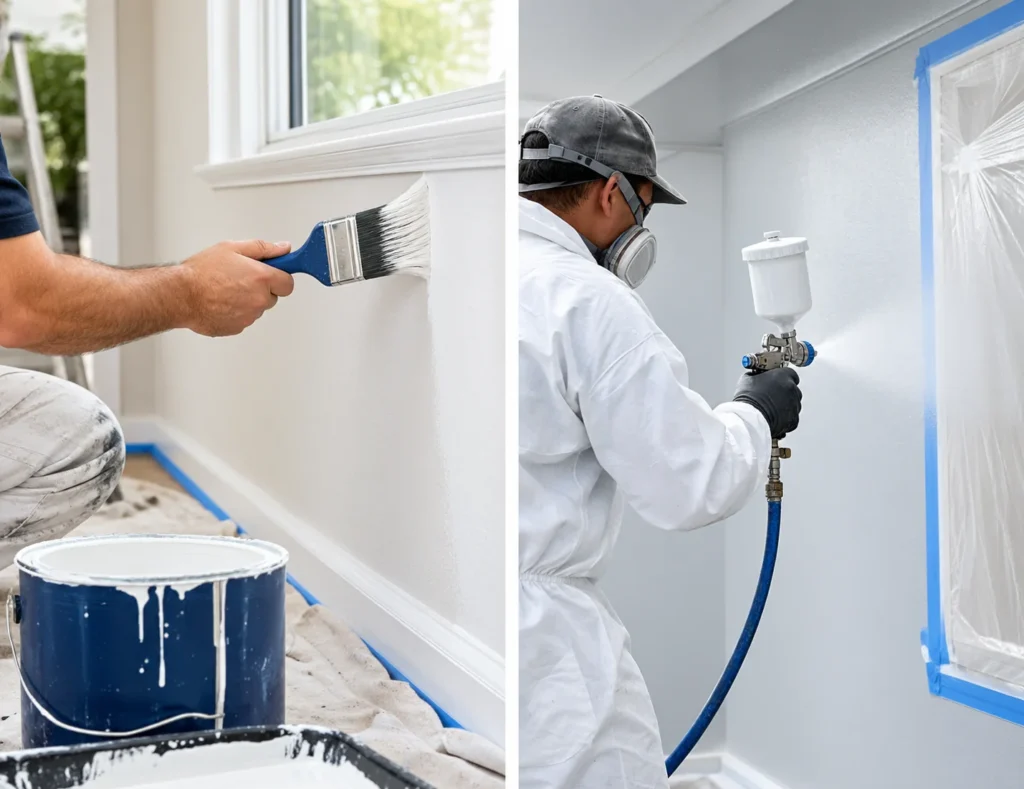
Mould on walls should never be painted over without proper treatment. The mould needs to be killed, the affected surface cleaned and dried, and the underlying moisture problem addressed before any new paint is applied. Proper preparation also includes sanding where required, using a mould resistant primer, and finishing with an anti mould topcoat. This process helps prevent mould stains from returning through fresh paint and gives the new coating a cleaner, longer lasting finish.
Treating Mould on Walls Before Painting: The Steps That Stop It Growing Back Through Your Fresh Paint
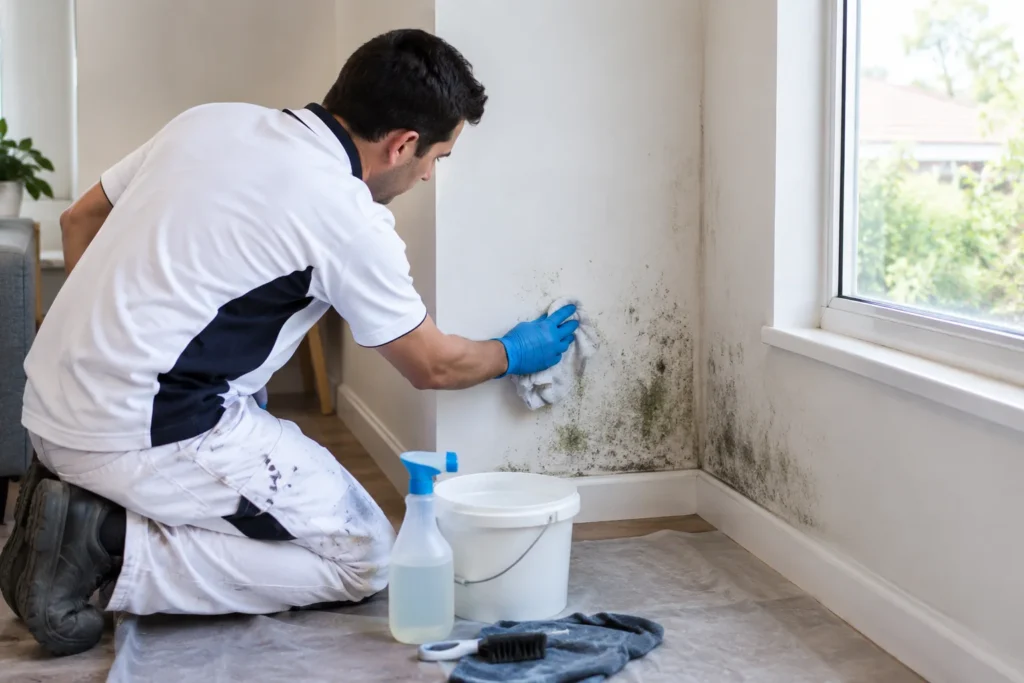
Mould on walls should never be painted over without proper treatment. The mould needs to be killed, the affected surface cleaned and dried, and the underlying moisture problem addressed before any new paint is applied. Proper preparation also includes sanding where required, using a mould resistant primer, and finishing with an anti mould topcoat. This process helps prevent mould stains from returning through fresh paint and gives the new coating a cleaner, longer lasting finish.
Ceiling Paint Peeling: Why It Happens Room by Room and What Actually Fixes It for Good
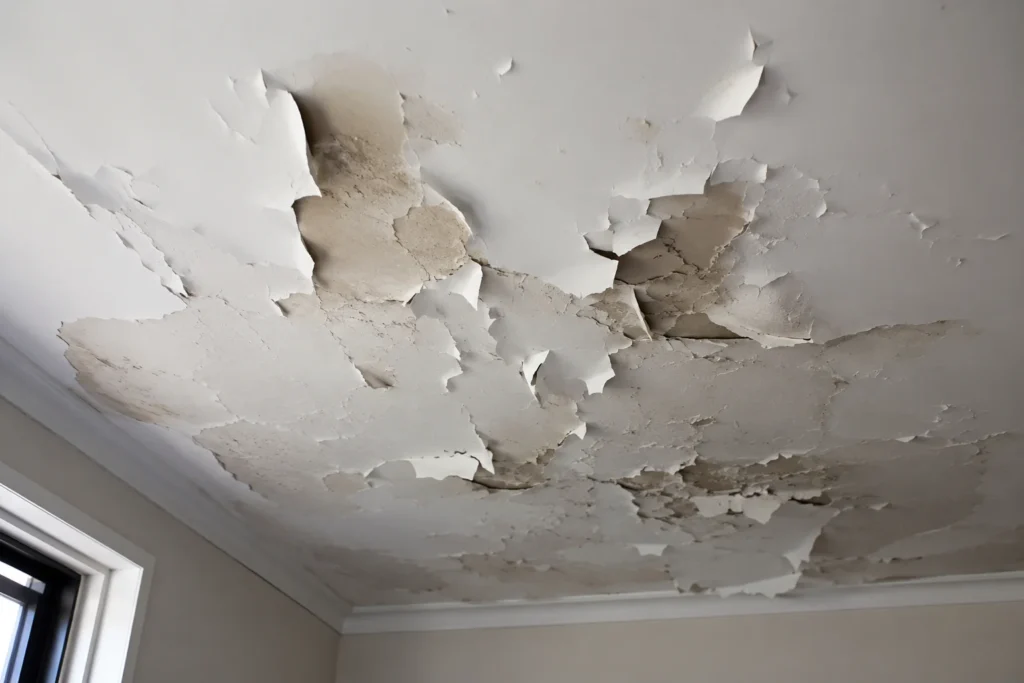
Ceiling paint peeling in your bathroom, kitchen or bedroom? Sydney painters explain the real causes, how to fix it properly, and how to stop it coming back.
Paint Bubbling on Walls? Here’s Why It Happens and How to Stop It for Good
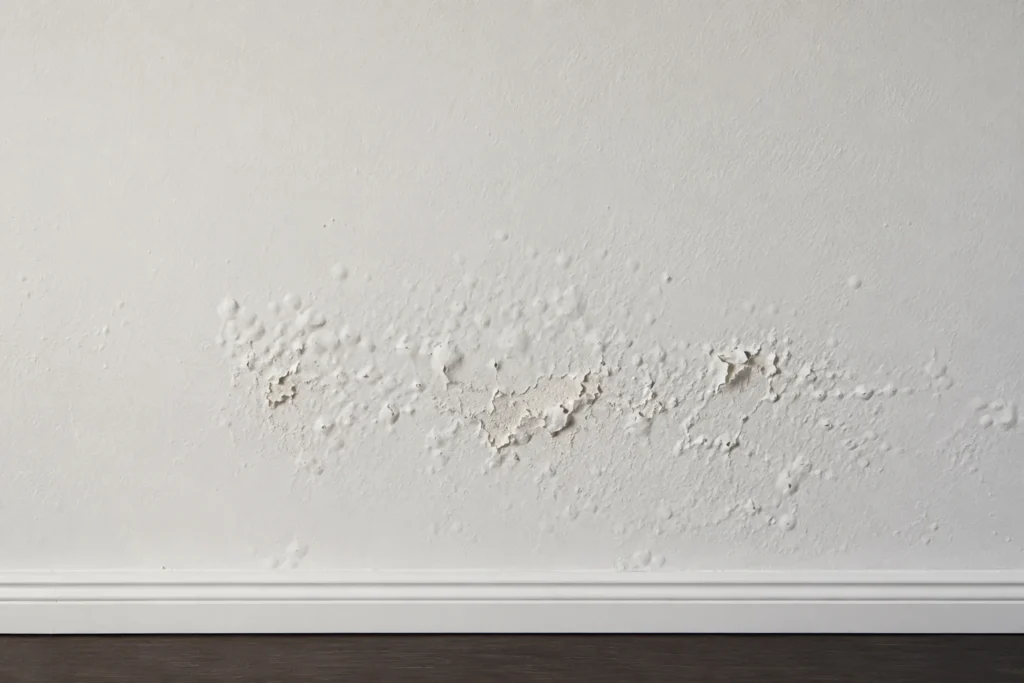
Paint bubbling on walls is rarely random. In almost every case it comes down to one of four causes, and catching it early can stop a full repaint later.
Why Is My Paint Peeling? The Real Reasons Behind Every Type of Paint Failure and How to Fix It
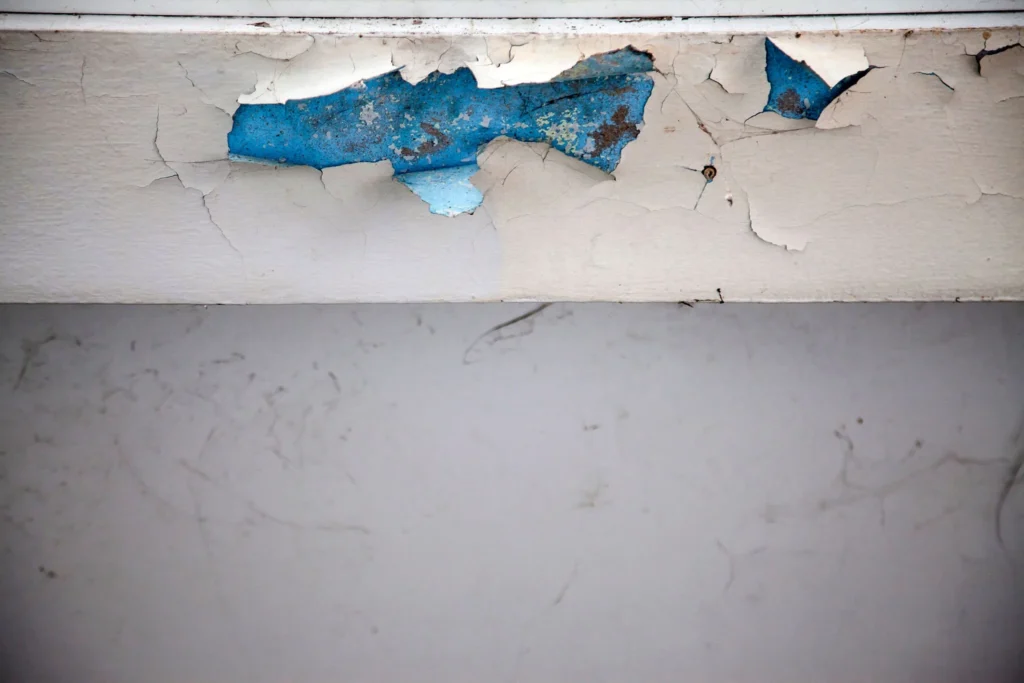
Bathrooms face more moisture, steam and temperature swings than any other room. Discover the best paint finishes for lasting protection against mould, peeling and daily wear, plus expert tips for choosing the right option for your Sydney bathroom.
How to Choose a Painter in Sydney: A Complete Homeowner’s Guide
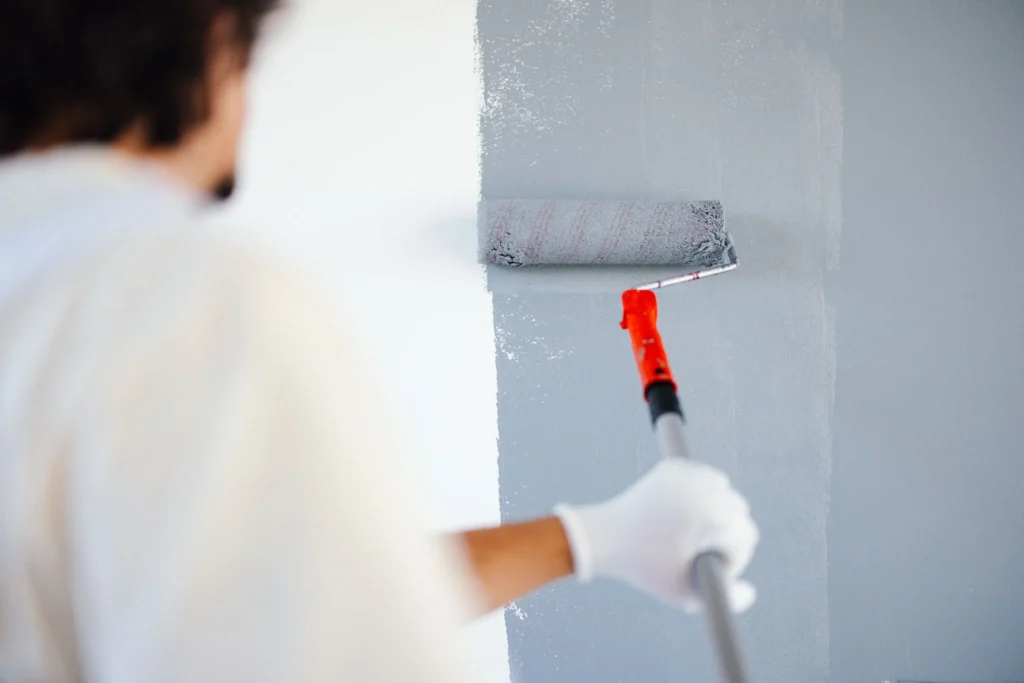
Bathrooms face more moisture, steam and temperature swings than any other room. Discover the best paint finishes for lasting protection against mould, peeling and daily wear, plus expert tips for choosing the right option for your Sydney bathroom.
How to Prepare Walls Before Painting: The Steps That Separate a Professional Finish from a Patchy One
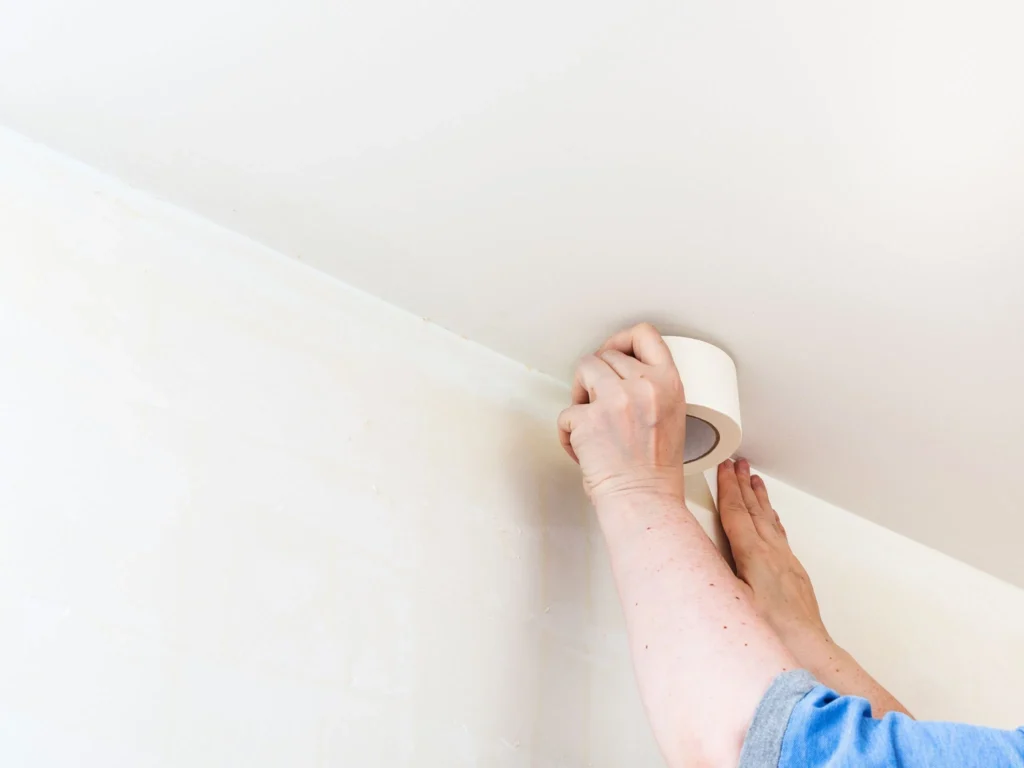
Bathrooms face more moisture, steam and temperature swings than any other room. Discover the best paint finishes for lasting protection against mould, peeling and daily wear, plus expert tips for choosing the right option for your Sydney bathroom.