
One of the most common questions homeowners ask a painter is how long they can realistically leave it before the next repaint. The honest answer is that it depends on where you live in Sydney, what your walls are made of, which rooms see the most use, and how well the last paint job was done. This guide breaks it all down clearly so you can plan ahead rather than react when paint starts peeling.
Why Repainting on Schedule Matters
Paint is not just cosmetic. On exterior surfaces, it acts as the primary barrier between your walls and Sydney’s harsh UV, rain, and temperature fluctuations. Once that barrier degrades, moisture finds its way into render, timber, and brickwork, causing damage that is significantly more expensive to fix than a timely repaint would have been.
Interior paint serves a similar protective function in wet areas, where moisture behind degraded paint leads to mould, substrate damage, and costly repairs.
Knowing the right schedule for your home keeps maintenance costs predictable and protects the long-term value of the property.
How Often Should You Repaint the Exterior of Your Sydney Home?
Sydney’s climate places specific demands on exterior paint. The Hills District and Western Sydney experience intense UV and significant summer heat, which accelerates paint breakdown on north and west-facing walls. Coastal suburbs deal with salt air on top of UV. These local conditions mean Sydney homes often sit toward the shorter end of what paint manufacturers quote as a lifespan.
| Exterior Surface | Typical Repaint Cycle in Sydney | Key Factors |
|---|---|---|
| Render or cement render | Every 7 to 10 years | UV degradation and surface porosity |
| Weatherboard or timber | Every 5 to 7 years | Expansion, contraction, moisture exposure |
| Brick (painted) | Every 10 to 15 years | Lower maintenance if well sealed initially |
| Eaves and fascia boards | Every 5 to 7 years | UV and heat exposure, especially north-facing |
| Fences and gates | Every 3 to 5 years | Ground moisture and direct sun |
For homes in Western Sydney and the Hills District, north and west-facing walls often need attention before the full cycle is up. A quick visual check each year for chalking, fading, or hairline cracking tells you where you are in the repaint timeline before problems become obvious.
“The homes in the Hills District that hold up best are always the ones where the preparation was done properly. A well-prepared surface with a quality paint system is the difference between seven years and three years. We see both ends of that range regularly.” — Licensed painting contractor, Sydney
For a full picture of what exterior repainting involves, the residential painting service covers the scope of work and what to expect from a professional job.
How Often Should You Repaint Interior Rooms?
Interior paint lasts longer than exterior because it is not exposed to UV and weather. However, it is subject to a different set of wear factors: foot traffic, moisture, cooking, cleaning, and the general activity level of whoever lives in the home. The right repaint cycle varies significantly from room to room.
| Room | Typical Repaint Cycle | Repaint Sooner If |
|---|---|---|
| Adult bedroom | 7 to 10 years | Strong sun-facing windows cause fading |
| Children’s bedroom | 2 to 4 years | Marks, crayon, and regular scuffs |
| Living and dining room | 5 to 7 years | Furniture scuffs, feature wall fading |
| Kitchen | 3 to 5 years | Steam, grease, and cooking vapours |
| Bathroom and laundry | 3 to 5 years | Moisture, mould staining, or poor ventilation |
| Hallways and corridors | 2 to 4 years | Constant footfall, handprints, door frame chips |
| Ceilings | 7 to 10 years | Water stains, yellowing, or smoke discolouration |
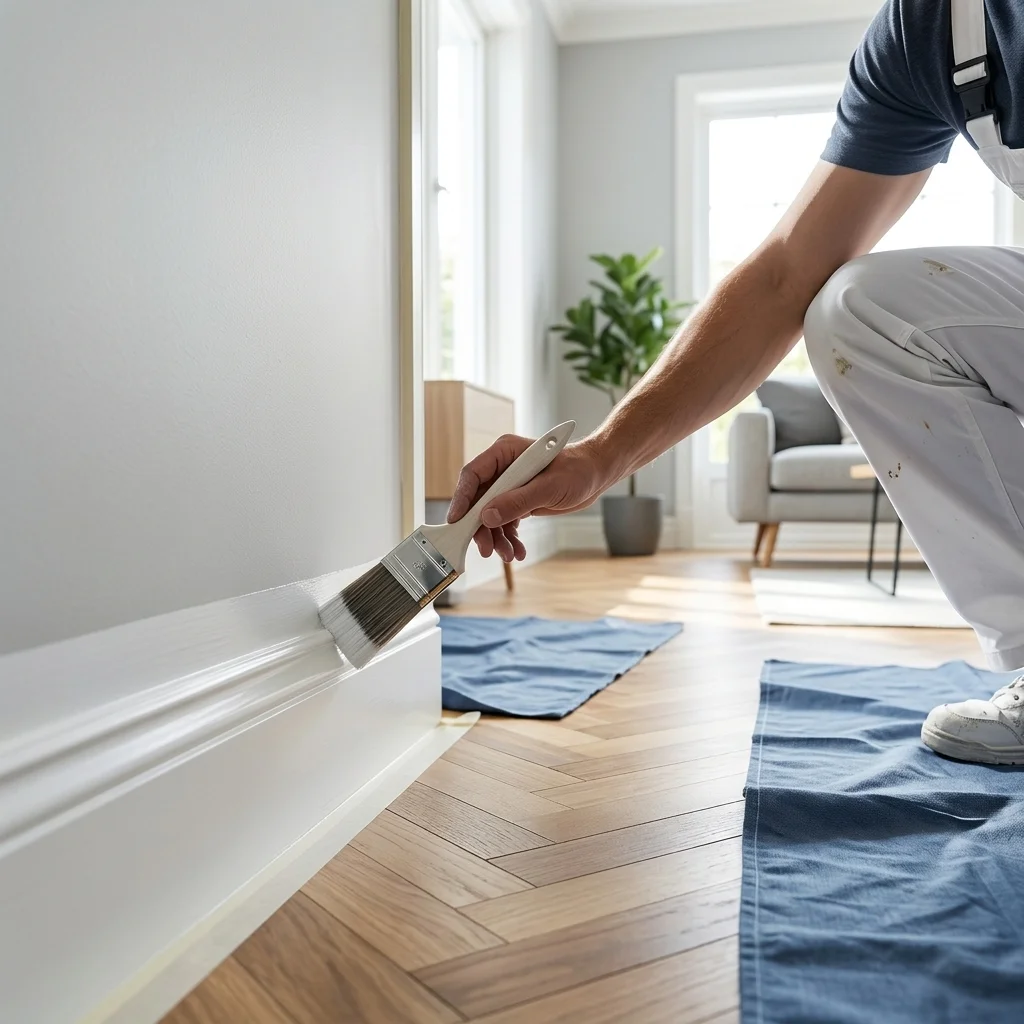
| Trims, skirtings, and doors | 3 to 5 years | Chipping, grime buildup, or glossy patches from cleaning |
The rooms to prioritise are almost always the ones with the most daily use. Hallways, kitchens, and children’s rooms typically show their age well before the rest of the house. A staged approach, tackling high-wear areas first and saving lower-traffic rooms for later, is both practical and cost-effective.
What Shortens Paint Life in Sydney Homes
Understanding what accelerates paint degradation helps you make smarter decisions about when to repaint and what products to use.
UV exposure: Sydney has some of the highest UV levels in the world. North and west-facing exterior walls receive the most direct sun and are almost always the first to show fading, chalking, and paint film breakdown. Choosing a UV-resistant exterior paint product makes a measurable difference to how long the finish lasts.
Moisture: Bathrooms, laundries, and kitchens that are poorly ventilated create conditions that break down paint significantly faster than normal. Mould appearing through paint is a reliable sign the surface needs attention, regardless of how long ago it was painted.
Paint quality: Premium paints cost more per litre but deliver meaningfully better coverage, UV resistance, and durability. A cheaper paint applied to a well-prepared surface will still underperform compared to a quality product applied correctly.
Preparation quality: This is the single biggest variable in paint longevity. A quality paint applied over a poorly prepared surface will fail early. Proper cleaning, filling, sanding, and priming before painting are not optional extras; they are what makes the paint last. When comparing quotes, always ask what preparation is included.
If you are based in Western Sydney or the Hills District and want to understand what a professional repaint involves, the Western Sydney painting service covers the area and approach in detail.
Signs Your Home Is Ready for a Repaint Right Now
You do not always need to wait for the calendar. These are the signs that tell you the paint has done its job and it is time to replace it:
Exterior:
- Chalking or powdery residue when you run your hand across the wall
- Paint that is visibly fading, peeling, or cracking
- Bubbling under the paint surface, often caused by moisture
- Bare timber or render showing through worn areas
Interior:
- Walls that look dull or yellowed in natural light
- Scuffs and marks that will not clean off without damaging the surface
- Mould staining returning after cleaning
- Peeling or lifting paint near wet zones
Any of these warrant a professional assessment rather than waiting for the scheduled cycle. Catching surface failure early almost always results in a simpler and less costly repair.
How to Get More Life Out of Your Paint
Extending time between repaints is straightforward with a little ongoing attention.
- Wash exterior walls annually to remove mould, grime, and airborne contaminants
- Address cracked or peeling patches promptly before moisture gets behind the paint film
- Ensure bathroom and kitchen exhaust fans are working effectively
- Touch up scuffs and chips as they appear in high-traffic interior areas
- Keep gutters and downpipes clear so water is not being directed onto exterior walls
A home that receives this kind of basic maintenance will consistently get more years from each paint job than one that is left without any attention between repaints.
Thinking about repainting? Whether it is a single room that needs freshening up or a full exterior repaint, Quality Painting Sydney provides honest, obligation-free assessments and written quotes for homes across Sydney. Visit qualitypaintingsydney.com.au to get in touch with the team today.